Toxicity of Lead (Pb) and Mercury (Hg) in Vermilion (Sindoor) in India and Comparison of Old and New Process of Formation of Vermilion
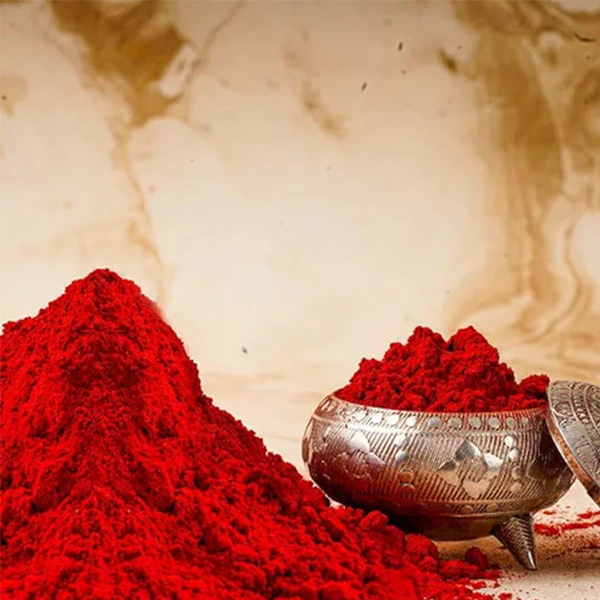
India is a very great country because there are so many religions and so many festivals of them. All the religions have same respects in here. One of the beautiful and very old religions is ‘Hindudharma’ in here. It is a biggest religion in here. Maximum populations follow this religion in India. ‘Sindoor’ is an important part of this religion. Actually Sindoor is a red colour which is used in festival, worship of god, and married woman uses as a sign of marriage. This colour is used in here because red colour is a symbol of energy and log life in this religion. Modern sindoor mainly uses vermilion, which is an orange-red pigment. Vermilion is the purified and powdered form of cinnabar, which is the chief form in which mercury sulfide naturally occurs. As with other compounds of mercury, sindoor is toxic and must be handled carefully. Sometimes, red lead (lead tetroxide, also known as minimum) is added to sindoor. Red lead is toxic and a known carcinogen for laboratory animals, though its carcinogenicity to humans has not been established. Traditional sindoor was made with turmeric and alum or lime, or from other herbal ingredients. Unlike red lead and vermilion, these are not poisonous. In early 2008, allegations of high lead content led the U.S. Food and Drug Administration to recall batches of sindoor from several manufacturers.
Specifications
- State & Union Territories
- Madhya Pradesh
- Year of Publication
- 2018
- Source Type
- Household (Paint, toys, cosmetics)
AI Readiness
Good foundation, but some important product data is still missing.