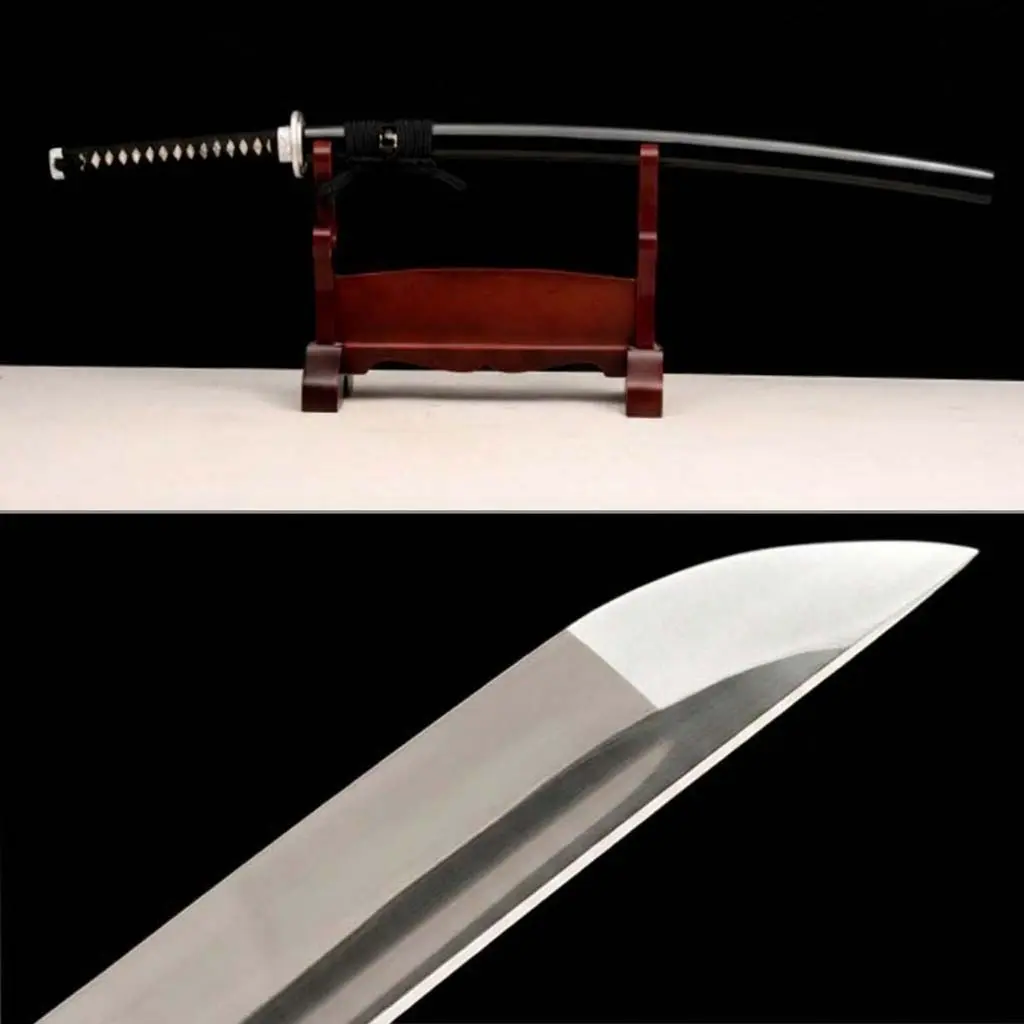
Shinogi-Zukuri Katana T10 High Carbon Steel Hand-Forged Japanese Samurai Sword
.woo-product-content *, .woo-product-content *::before, .woo-product-content *::after { box-sizing: border-box; } .woo-product-content { font-family: ‘Lato’, Arial, sans-serif; background: #f5f5f0; color: #1a1a1a; line-height: 1.7; padding: 40px 20px; } .woo-product-content .container { max-width: 860px; margin: 0 auto; } .woo-product-content h1 { font-family: ‘Playfair Display’, serif; font-size: 32px; font-weight: 700; color: #111 !important; margin-bottom: 12px; line-height: 1.3; } .woo-product-content .breadcrumb { font-size: 13px; color: #777; margin-bottom: 24px; } .woo-product-content .breadcrumb a { color: #c9a84c !important; text-decoration: none !important; } .woo-product-content .breadcrumb a:hover { text-decoration: underline !important; } .woo-product-content .product-intro { font-size: 16px; color: #444; margin-bottom: 20px; } .woo-product-content h2 { font-family: ‘Playfair Display’, serif; font-size: 20px; font-weight: 600; color: #1a1a1a !important; margin: 36px 0 14px; border-left: 4px solid #c9a84c; padding-left: 14px; } .woo-product-content p { font-size: 15px; color: #333 !important; margin-bottom: 14px; } .woo-product-content strong { font-weight: 600; color: #1a1a1a !important; } .woo-product-content .badge-row { display: flex; flex-wrap: wrap; gap: 8px; margin: 20px 0 28px; } .woo-product-content .badge { background: #1a1a1a; color: #fff !important; font-size: 12px; padding: 5px 12px; border-radius: 20px; font-weight: 400; } /* Features grid */ .woo-product-content .features-grid { display: grid; grid-template-columns: 1fr 1fr; gap: 20px; margin: 24px 0; } .woo-product-content .feature-card { background: #fff; border: 1px solid #e5e5e5; border-radius: 4px; padding: 20px; } .woo-product-content .feature-card h3 { font-family: ‘Playfair Display’, serif; font-size: 16px; font-weight: 600; color: #1a1a1a !important; margin-bottom: 10px; } .woo-product-content .feature-card ul { list-style: none; padding: 0; } .woo-product-content .feature-card li { font-size: 14px; color: #444 !important; padding: 4px 0 4px 18px; position: relative; } .woo-product-content .feature-card li::before { content: “—”; position: absolute; left: 0; color: #c9a84c; } /* Specs table */ .woo-product-content .specs-table { width: 100%; border-collapse: collapse; margin: 20px 0; background: #fff; } .woo-product-content .specs-table th, .woo-product-content .specs-table td { padding: 10px 14px; text-align: left; border-bottom: 1px solid #e5e5e5; font-size: 14px; } .woo-product-content .specs-table th { background: #fafaf6; color: #1a1a1a !important; font-weight: 600; width: 35%; } .woo-product-content .specs-table td { color: #444 !important; } .woo-product-content .specs-table tr:last-child td { border-bottom: none; } /* FAQ */ .woo-product-content .faq-section { margin-top: 40px; } .woo-product-content .faq-section h2 { font-family: ‘Playfair Display’, serif; font-size: 20px; font-weight: 600; margin-bottom: 16px; color: #222 !important; border-left: 4px solid #c9a84c; padding-left: 14px; } .woo-product-content .faq-item { border-bottom: 1px solid #e5e5e5; padding: 16px 0; } .woo-product-content .faq-item:first-child { border-top: 1px solid #e5e5e5; } .woo-product-content .faq-question { font-size: 15px; font-weight: 600; color: #1a1a1a !important; margin-bottom: 8px; } .woo-product-content .faq-answer p { font-size: 14px; line-height: 1.7; color: #444 !important; margin: 0; } /* Trust signals */ .woo-product-content .trust-box { background: #fff; border: 1px solid #e0ddd4; border-radius: 4px; padding: 20px; margin: 30px 0; } .woo-product-content .trust-box h3 { font-size: 15px; font-weight: 600; color: #1a1a1a !important; margin-bottom: 12px; } .woo-product-content .trust-list { list-style: none; } .woo-product-content .trust-list li { font-size: 14px; color: #444 !important; padding: 6px 0 6px 24px; position: relative; } .woo-product-content .trust-list li::before { content: “\2713”; position: absolute; left: 0; color: #c9a84c; font-weight: 700; } /* 关键:覆盖主题全局链接样式 */ .woo-product-content a { color: #c9a84c !important; text-decoration: none !important; } .woo-product-content a:hover { color: #b8913d !important; text-decoration: underline !important; } .woo-product-content a:visited { color: #c9a84c !important; } /* Responsive */ @media (max-width: 600px) { .woo-product-content .features-grid { grid-template-columns: 1fr; } .woo-product-content h1 { font-size: 24px; } .woo-product-content .badge-row { gap: 6px; } .woo-product-content .badge { font-size: 11px; padding: 4px 10px; } } Shinogi-Zukuri Katana | t10 high carbon steel hand-forged japanese samurai sword t10 high carbon steel hand-forged shinogi-zukuri bo-hi groove mirror polish full tang double mekugi musashi tsuba free engraving this katana is hand-forged from t10 high carbon steel. oil-quenched for hardness and toughness. the blade has a mirror polish — highly reflective, smooth, and beautiful. it’s a shinogi-zukuri blade with bo-hi (groove) on both sides. the fittings are all silver-finished — musashi double-ring oval tsuba, phoenix relief fuchi, dragon relief kashira. the handle has white samegawa (ray skin) under black silk ito wrap. the saya is black gloss lacquer. silver and black — clean, high-contrast, and unmistakably a serious sword. this is a functional katana. it’s built for iaido practice and tameshigiri (target cutting). the 71 cm blade and bo-hi groove give it a forward balance that serious cutters appreciate. full tang, double mekugi. free engraving included. blade t10 high carbon steel, hand-forged. oil-quenched. mirror polish — the blade surface is reflective. shinogi-zukuri shape: ridge line (shinogi) clearly defined, yokote line distinct. bo-hi (groove) on both sides of the blade — reduces weight, shifts balance forward, adds a light whistle when swung. blade is sharp out of the box. can be ordered with a blunt edge for safe practice (tell us when you order). tsuba (handguard) musashi style — silver-finished, oval shape with two nested rings cut out. the design is minimal and geometric. it’s associated with miyamoto musashi, the famous japanese swordsman. matte silver finish, not shiny. the oval shape fits the hand well and doesn’t rotate. this tsuba is the visual centerpiece of the silver-toned fittings. habaki (collar) and fuchi (sleeve) habaki: silver-finished copper alloy, square shape, fits tightly against the tsuba and blade. fuchi: silver-finished alloy with phoenix (ho-oh) relief etching — wings spread, feathers detailed. the phoenix pairs with the dragon on the kashira. the fuchi sits between the tsuba and the tsuka, tying the silver fittings together. tsuka (handle) 27 cm. solid wood core. white genuine samegawa (ray skin) underneath — not synthetic. black silk ito wrapped in hineri-maki (twisted wrap) style. the diamond pattern is tight and even. menuki (ornaments) sit under the wrap on both sides — detailed, small, silver-finished. kashira (pommel): silver-finished alloy with dragon relief — scales, claws, and coiled body, high detail. two bamboo mekugi pins secure the handle. the grip is firm and doesn’t slip. saya (scabbard) solid wood with black gloss lacquer. the lacquer is smooth and reflective — a true gloss finish. sageo (cord) is black, braided, tied at the kurigata. the koiguchi (mouth) has a metal fitting to prevent chipping. the saya color (black) matches the ito wrap and contrasts with the silver fittings and white samegawa. clean, high-contrast look. construction full tang. the blade tang runs the full length of the handle. two bamboo mekugi pins hold it in place — pull the pins and the handle comes off. this means you can maintain the blade, re-wrap the handle, or replace the samegawa if needed. the bo-hi groove and 71 cm blade length put the balance point about 5.1 inches from the tsuba — forward, but not too heavy. engraving (free) free engraving on every sword. english, japanese, or chinese characters — your choice. if you want a custom pattern (not text), there’s a $20 fee. engraving is usually done on the tang (nakago) or near the habaki on the blade. tell us what you want when you order. key features t10 steel blade hand-forged t10 high carbon steel oil-quenched for hardness mirror polish — highly reflective shinogi-zukuri shape bo-hi groove on both sides sharp out of the box blunt edge available on request full tang construction tang runs full length of handle double bamboo mekugi pins fully disassemblable balance point: 5.1″ from tsuba built for cutting musashi silver tsuba silver-finished, oval shape double-ring nested cutout matte finish, not shiny minimal, geometric design doesn’t rotate in hand silver fittings set habaki: silver-finished copper alloy fuchi: phoenix relief, silver kashira: dragon relief, silver menuki: detailed, silver-finished cohesive silver-toned theme specifications overall length (with saya) 103 cm (40.6 inches) blade length (nagasa) 71 cm (27.9 inches) handle length (tsuka) 27 cm (10.6 inches) blade width at habaki (motohaba) 3.2 cm (1.26 inches) blade width at yokote (sakihaba) 2.3 cm (0.91 inches) sori (curvature) 1.9 cm (0.75 inches) thickness at habaki (kasane) 7.2 mm thickness at yokote (sakikasane) 3.0 mm balance point 5.1 inches from tsuba net weight (no saya) 2.0 lbs (907 g) net weight (with saya) 2.2 lbs (998 g) steel type t10 high carbon steel, hand-forged blade treatment oil-quenched, mirror polish blade style shinogi-zukuri, bo-hi on both sides edge sharp (blunt available on request) construction full tang, double bamboo mekugi tsuba silver musashi double-ring oval fuchi / kashira silver alloy, phoenix / dragon relief tsuka wood core, white samegawa, black silk ito saya wood, black gloss lacquer sageo black braided cord engraving free (english / japanese / chinese) accessories sword bag, certificate of authenticity brand Ab Sword why buy from ab sword t10 high carbon steel — oil-quenched, mirror polished shinogi-zukuri with bo-hi — traditional shape, reduced weight musashi double-ring tsuba — distinctive, minimal, silver-finished phoenix fuchi + dragon kashira — detailed relief work white samegawa, black silk ito — authentic materials black gloss lacquer saya — smooth, reflective finish full tang, double mekugi — safe and disassemblable free engraving (english / japanese / chinese) certificate of authenticity included we stand behind our craftsmanship frequently asked questions what is shinogi-zukuri? shinogi-zukuri is the most common japanese sword blade shape. it has a ridge line (shinogi) running along the blade. the flat surface between the ridge and the edge is called the ji. this shape is what most people recognize as a katana blade. it’s strong, well-balanced, and the standard for functional katana. what is bo-hi (the groove)? bo-hi is a groove (fuller) running along the blade. it does three things — reduces weight (important for a 71 cm blade), changes the sound when you swing (a light whistle), and shifts the balance point closer to the hands. this katana has bo-hi on both sides of the blade. is the blade mirror polished? yes. the blade is mirror polished using traditional stone polishing methods. the surface is highly reflective — you can see your face in it. this is a multi-step process that reveals the steel grain and any hamon (if present). mirror polish is both beautiful and functional — a smooth surface cuts more cleanly. what is the musashi tsuba? the musashi tsuba design features two oval rings nested together — a distinctive geometric shape associated with miyamoto musashi, the famous japanese swordsman. this tsuba is silver-finished, with a matte surface. it’s minimal, recognisable, and fits the silver-toned fittings on this katana. what do the dragon and phoenix reliefs mean? the phoenix is on the fuchi (collar near the tsuba) and the dragon is on the kashira (pommel). in japanese imagery, the dragon and phoenix together represent balance — the dragon is water/earth, the phoenix is fire/sky. they’re common pairings on high-end sword fittings. the reliefs are etched into the silver-finished alloy. is this katana full tang? yes. full tang — the blade tang runs the full length of the handle. it’s secured by two bamboo mekugi pins. you can remove the handle by pulling the pins. this is the correct construction for any functional katana. can i use this for tameshigiri (target cutting)? yes. t10 steel, oil-quenched, full tang — this is a functional blade. it handles tameshigiri (tatami mats, bamboo, water bottles). the bo-hi reduces weight and shifts the balance forward, which helps with cutting. if you plan regular cutting practice, keep the blade oiled and check the mekugi after each session. can i get the blade engraved? yes. we offer free engraving — english, japanese, or chinese characters. if you want a custom pattern (not just text), there’s a $20 fee. tell us what you want when you order. engraving is done on the tang (nakago) or on the blade near the habaki, depending on the design. is this legal in my country? sword laws vary by country. in many places, you need a certificate or permit for a sharpened blade. check your local laws before ordering. we ship as a collectible / martial arts item. contact us if you need the blade blunted for legal reasons. how do i care for this katana? wipe the blade with a soft dry cloth after every handling. oil it every 2-3 weeks with choji oil, mineral oil, or gun oil. don’t touch the blade with bare hands — finger oils cause rust. store it in the saya in a cool, dry place. humidity is the enemy. the black lacquer saya should be wiped clean if it gets fingerprints on it. ab sword — where tradition meets artistry { “@context”: “https://schema.org”, “@type”: “FAQPage”, “mainEntity”: [ { “@type”: “Question”, “name”: “what is shinogi-zukuri?”, “acceptedAnswer”: { “@type”: “Answer”, “text”: “shinogi-zukuri is the most common japanese sword blade shape. it has a ridge line (shinogi) running along the blade. the flat surface between the ridge and the edge is called the ji. this shape is what most people recognize as a katana blade. it’s strong, well-balanced, and the standard for functional katana.” } }, { “@type”: “Question”, “name”: “what is bo-hi (the groove)?”, “acceptedAnswer”: { “@type”: “Answer”, “text”: “bo-hi is a groove (fuller) running along the blade. it does three things — reduces weight (important for a 71 cm blade), changes the sound when you swing (a light whistle), and shifts the balance point closer to the hands. this katana has bo-hi on both sides of the blade.” } }, { “@type”: “Question”, “name”: “is the blade mirror polished?”, “acceptedAnswer”: { “@type”: “Answer”, “text”: “yes. the blade is mirror polished using traditional stone polishing methods. the surface is highly reflective — you can see your face in it. this is a multi-step process that reveals the steel grain and any hamon (if present). mirror polish is both beautiful and functional — a smooth surface cuts more cleanly.” } }, { “@type”: “Question”, “name”: “what is the musashi tsuba?”, “acceptedAnswer”: { “@type”: “Answer”, “text”: “the musashi tsuba design features two oval rings nested together — a distinctive geometric shape associated with miyamoto musashi, the famous japanese swordsman. this tsuba is silver-finished, with a matte surface. it’s minimal, recognisable, and fits the silver-toned fittings on this katana.” } }, { “@type”: “Question”, “name”: “what do the dragon and phoenix reliefs mean?”, “acceptedAnswer”: { “@type”: “Answer”, “text”: “the phoenix is on the fuchi (collar near the tsuba) and the dragon is on the kashira (pommel). in japanese imagery, the dragon and phoenix together represent balance — the dragon is water/earth, the phoenix is fire/sky. they’re common pairings on high-end sword fittings. the reliefs are etched into the silver-finished alloy.” } }, { “@type”: “Question”, “name”: “is this katana full tang?”, “acceptedAnswer”: { “@type”: “Answer”, “text”: “yes. full tang — the blade tang runs the full length of the handle. it’s secured by two bamboo mekugi pins. you can remove the handle by pulling the pins. this is the correct construction for any functional katana.” } }, { “@type”: “Question”, “name”: “can i use this for tameshigiri (target cutting)?”, “acceptedAnswer”: { “@type”: “Answer”, “text”: “yes. t10 steel, oil-quenched, full tang — this is a functional blade. it handles tameshigiri (tatami mats, bamboo, water bottles). the bo-hi reduces weight and shifts the balance forward, which helps with cutting. if you plan regular cutting practice, keep the blade oiled and check the mekugi after each session.” } }, { “@type”: “Question”, “name”: “can i get the blade engraved?”, “acceptedAnswer”: { “@type”: “Answer”, “text”: “yes. we offer free engraving — english, japanese, or chinese characters. if you want a custom pattern (not just text), there’s a $20 fee. tell us what you want when you order. engraving is done on the tang (nakago) or on the blade near the habaki, depending on the design.” } }, { “@type”: “Question”, “name”: “is this legal in my country?”, “acceptedAnswer”: { “@type”: “Answer”, “text”: “sword laws vary by country. in many places, you need a certificate or permit for a sharpened blade. check your local laws before ordering. we ship as a collectible / martial arts item. contact us if you need the blade blunted for legal reasons.” } }, { “@type”: “Question”, “name”: “how do i care for this katana?”, “acceptedAnswer”: { “@type”: “Answer”, “text”: “wipe the blade with a soft dry cloth after every handling. oil it every 2-3 weeks with choji oil, mineral oil, or gun oil. don’t touch the blade with bare hands — finger oils cause rust. store it in the saya in a cool, dry place. humidity is the enemy. the black lacquer saya should be wiped clean if it gets fingerprints on it.” } } ] }
Specifications
- HAND SHARPENING
- Hand Sharpened, Unsharpened
AI Readiness
Good foundation, but some important product data is still missing.