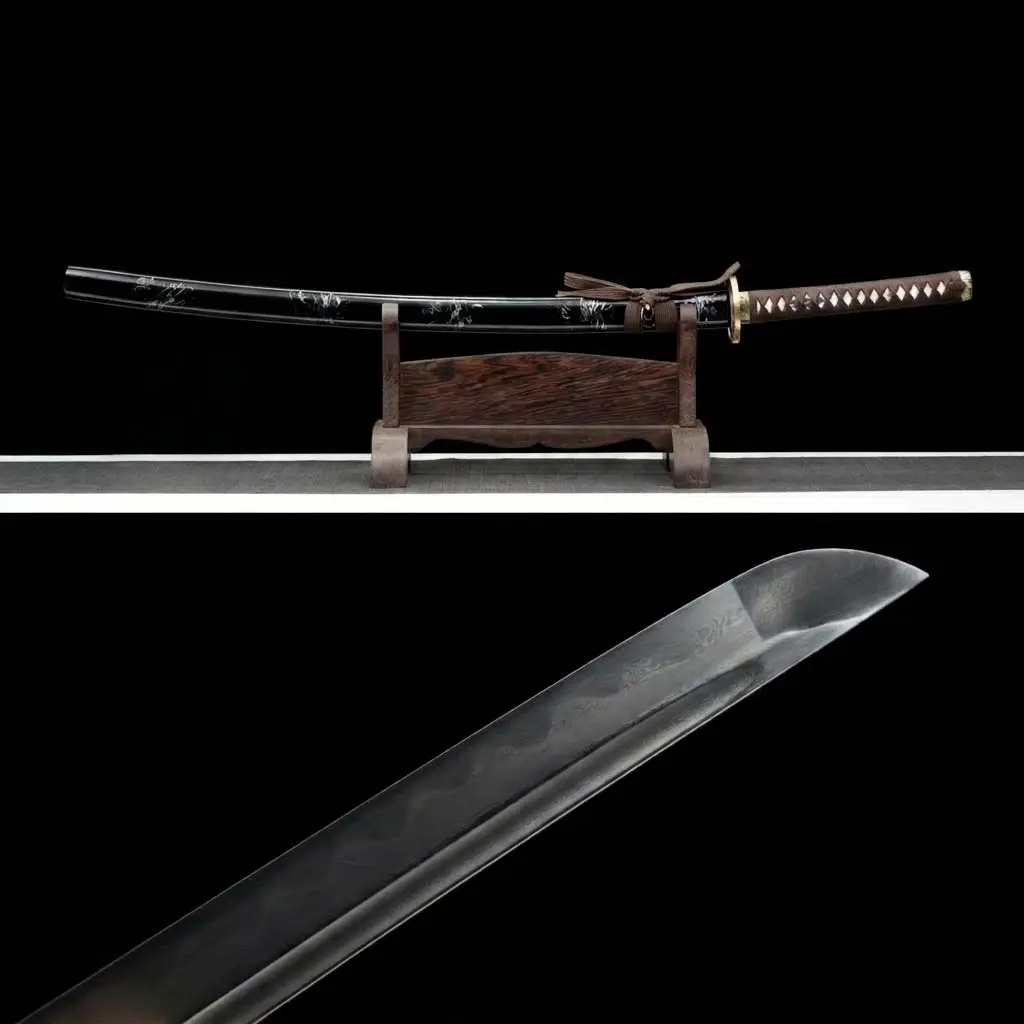
Damascus Steel Clay-Tempered Katana | Full Copper Dragon Tsuba | Ab Sword
.woo-product-content *, .woo-product-content *::before, .woo-product-content *::after { box-sizing: border-box; } .woo-product-content { font-family: ‘Lato’, Arial, sans-serif; background: #f5f5f0; color: #1a1a1a; line-height: 1.7; padding: 40px 20px; } .woo-product-content .container { max-width: 860px; margin: 0 auto; } .woo-product-content h1 { font-family: ‘Playfair Display’, serif; font-size: 32px; font-weight: 700; color: #111 !important; margin-bottom: 12px; line-height: 1.3; } .woo-product-content .breadcrumb { font-size: 13px; color: #777; margin-bottom: 24px; } .woo-product-content .breadcrumb a { color: #c9a84c !important; text-decoration: none !important; } .woo-product-content .breadcrumb a:hover { text-decoration: underline !important; } .woo-product-content .product-intro { font-size: 16px; color: #444; margin-bottom: 20px; } .woo-product-content h2 { font-family: ‘Playfair Display’, serif; font-size: 20px; font-weight: 600; color: #1a1a1a !important; margin: 36px 0 14px; border-left: 4px solid #c9a84c; padding-left: 14px; } .woo-product-content p { font-size: 15px; color: #333; margin-bottom: 14px; } .woo-product-content strong { font-weight: 600; color: #1a1a1a; } .woo-product-content .badge-row { display: flex; flex-wrap: wrap; gap: 8px; margin: 20px 0 28px; } .woo-product-content .badge { background: #1a1a1a; color: #fff !important; font-size: 12px; padding: 5px 12px; border-radius: 20px; font-weight: 400; } .woo-product-content .features-grid { display: grid; grid-template-columns: 1fr 1fr; gap: 20px; margin: 24px 0; } .woo-product-content .feature-card { background: #fff; border: 1px solid #e5e5e5; border-radius: 4px; padding: 20px; } .woo-product-content .feature-card h3 { font-family: ‘Playfair Display’, serif; font-size: 16px; font-weight: 600; color: #1a1a1a !important; margin-bottom: 10px; } .woo-product-content .feature-card ul { list-style: none; padding: 0; } .woo-product-content .feature-card li { font-size: 14px; color: #444 !important; padding: 4px 0 4px 18px; position: relative; } .woo-product-content .feature-card li::before { content: “\2014”; position: absolute; left: 0; color: #c9a84c; } .woo-product-content .specs-table { width: 100%; border-collapse: collapse; margin: 20px 0; background: #fff; } .woo-product-content .specs-table th, .woo-product-content .specs-table td { padding: 10px 14px; text-align: left; border-bottom: 1px solid #e5e5e5; font-size: 14px; } .woo-product-content .specs-table th { background: #fafaf6; color: #1a1a1a !important; font-weight: 600; width: 35%; } .woo-product-content .specs-table td { color: #444 !important; } .woo-product-content .specs-table tr:last-child td { border-bottom: none; } .woo-product-content .faq-section { margin-top: 40px; } .woo-product-content .faq-item { border-bottom: 1px solid #e5e5e5; padding: 16px 0; } .woo-product-content .faq-item:first-child { border-top: 1px solid #e5e5e5; } .woo-product-content .faq-question { font-size: 15px; font-weight: 600; color: #1a1a1a !important; margin-bottom: 8px; } .woo-product-content .faq-answer p { font-size: 14px; line-height: 1.7; color: #444 !important; margin: 0; } .woo-product-content .trust-box { background: #fff; border: 1px solid #e0ddd4; border-radius: 4px; padding: 20px; margin: 30px 0; } .woo-product-content .trust-box h3 { font-size: 15px; font-weight: 600; color: #1a1a1a !important; margin-bottom: 12px; } .woo-product-content .trust-list { list-style: none; } .woo-product-content .trust-list li { font-size: 14px; color: #444 !important; padding: 6px 0 6px 24px; position: relative; } .woo-product-content .trust-list li::before { content: “\2713”; position: absolute; left: 0; color: #c9a84c; font-weight: 700; } /* 关键:覆盖主题对所有 a 标签的全局样式 */ .woo-product-content a { color: #c9a84c !important; text-decoration: none !important; } .woo-product-content a:hover { text-decoration: underline !important; color: #b8913d !important; } .woo-product-content a:visited { color: #c9a84c !important; } @media (max-width: 600px) { .woo-product-content .features-grid { grid-template-columns: 1fr; } .woo-product-content h1 { font-size: 24px; } .woo-product-content .badge-row { gap: 6px; } .woo-product-content .badge { font-size: 11px; padding: 4px 10px; } } Damascus Steel Clay-Tempered Katana | Full Copper Dragon Tsuba | Ab Sword damascus steel clay-tempered natural hada pattern full copper tsuba openwork dragon crane painting saya full tang this katana has a damascus steel blade — hand-forged, clay-tempered. the blade surface shows a natural flowing hada pattern. no two blades are the same. the fittings are the main event. full copper round tsuba with openwork dragon and samurai warrior motifs — front and back are different. gold openwork grid habaki. brown silk ito over white ray skin. kashira has beast relief. the saya is black lacquer with hand-painted white crane and flying bird artwork. this is a functional katana. full tang, double mekugi. the 71 cm blade gives it good reach. it works for iaido practice, tameshigiri, display, and as a high-end gift. blade damascus (pattern) steel, hand-forged. clay-tempered — the edge is hardened, the spine stays flexible. natural hada pattern on the blade surface — flowing, wood-grain-like lines. the pattern is different on every blade. after clay-tempering and polishing, the hamon (temper line) is visible. the blade is sharp out of the box. 71 cm blade length, 8 mm thickness at the habaki. tsuba (handguard) full copper, antique finish. round shape. openwork (cut-through) dragon and samurai warrior motifs on the front. the back has different patterns — beast and cloud motifs. light passes through the openwork areas, creating shadows. copper develops a patina over time — this is normal and many people like it. the tsuba is the most distinctive part of this katana. habaki (collar) alloy, gold finish. square shape. openwork grid pattern on the surface. the gold color creates a transition between the silver blade and the antique copper tsuba. fits tightly against the blade and tsuba. tsuka (handle) solid wood core. white ray skin (samegawa) underneath — not synthetic. brown silk ito wrapped in diamond (hineri-maki) style. the diamond pattern is tight and even. the kashira (pommel) is antique copper alloy with beast relief — mythical beast face, detailed. two bamboo mekugi pins secure the handle. the grip is firm. saya (scabbard) solid wood with black lacquer. hand-painted white crane and flying bird artwork on the lacquer surface. the crane symbolizes longevity and noble character in japanese culture. the painting is detailed — wings spread, birds in flight. each saya has slight variations in the painting. the koiguchi (mouth) has a metal fitting. brown sageo (cord), hand-tied at the kurigata. the brown sageo matches the brown ito wrap. construction full tang. the blade tang runs the full length of the handle. two bamboo mekugi pins hold it in place — pull the pins and the handle slides off for maintenance. 71 cm blade, 102 cm overall length, 1.25 kg blade weight, 1.55 kg with saya. the balance is good for both cutting practice and display. key features damascus steel blade hand-forged damascus (pattern) steel clay-tempered, real hamon natural flowing hada pattern each blade pattern is unique 71 cm blade, 8 mm thickness sharp out of the box full copper tsuba full copper (not plated) round shape, openwork dragon front: dragon + samurai warrior back: beast + cloud motifs light passes through openwork copper develops patina over time gold openwork habaki alloy, gold finish square shape, grid openwork transitions blade to tsuba tight fit against blade crane painting saya solid wood, black lacquer hand-painted white crane artwork crane = longevity, good fortune each painting is slightly different brown sageo, hand-tied specifications overall length (with saya) 102 cm (40.2 inches) blade length (nagasa) 71 cm (27.9 inches) blade thickness (kasane) 0.80 cm (8 mm) blade width (motohaba) 3.2 cm (1.26 inches) net weight (blade only) 1.25 kg (2.76 lbs) net weight (with saya) 1.55 kg (3.42 lbs) steel type damascus (pattern) steel, hand-forged blade treatment clay-tempered, natural hada pattern, hand polish edge sharp (blunt available on request) construction full tang, double bamboo mekugi tsuba full copper, antique finish, openwork dragon round habaki alloy, gold finish, openwork grid square tsuka wood core, white ray skin, brown silk ito, diamond wrap kashira antique copper alloy, beast relief saya solid wood, black lacquer, hand-painted crane artwork sageo brown, hand-braided accessories sword bag, certificate of authenticity brand ab sword why buy from ab sword damascus steel blade — natural hada pattern, each blade is unique clay-tempered — real hamon, edge hard, spine flexible full copper tsuba — not plated, openwork dragon motif, front/back different gold openwork grid habaki — detailed craftsmanship crane-painted saya — hand-painted artwork, symbolic meaning full tang, double mekugi — safe and disassemblable sword bag and certificate of authenticity included we stand behind our craftsmanship frequently asked questions what is damascus steel (pattern steel) in a katana? damascus steel (also called pattern steel) is made by folding and forge-welding multiple layers of steel. this creates a visible grain pattern (hada) on the blade surface — flowing, wood-grain-like lines that are different on every blade. it is not the same as industrial damascus steel (which uses nickel), but the visual effect is similar. the pattern is natural and cannot be exactly replicated. is the blade clay-tempered? yes. the blade is clay-tempered. clay is applied to the blade before quenching — thin on the edge, thick on the spine. after quenching, the edge is hard and the spine stays flexible. this creates a real hamon (temper line). the damascus layers are still visible after clay-tempering and polishing. what is the full copper dragon tsuba? the tsuba is made of full copper (not plated, not alloy) with an antique finish. it is round, with openwork (cut-through) dragon and samurai warrior motifs. the front and back have different patterns — front has dragon and warrior, back has beast and cloud motifs. the openwork lets light pass through, creating a shadow effect. copper develops a patina over time. what is the crane painting on the saya? the saya is solid wood with black lacquer. white crane and flying bird paintings are applied by hand on the lacquer surface. in japanese culture, the crane (tsuru) symbolizes longevity, good fortune, and noble character. the painting is detailed — wings spread, birds in flight. each saya has slight variations in the painting. is this katana full tang? yes. full tang — the blade tang runs the full length of the handle. it is secured by double bamboo mekugi pins. you can remove the handle by pulling the pins. this is the correct construction for any functional katana. can i use this for tameshigiri (target cutting)? the blade is functional — damascus steel, clay-tempered, full tang. it can be used for tameshigiri. the 71 cm blade gives good reach and balance. if you plan regular cutting practice, keep the blade oiled and check the mekugi after each session. the damascus pattern on the blade surface is not affected by cutting. how do i care for the copper tsuba? copper develops a patina (darkening) over time. this is normal and many people like the aged look. if you want to keep the copper bright, you can use a copper polish occasionally. do not use abrasive pads. the openwork areas can collect dust — use a soft brush to clean them. the patina protects the copper from further oxidation. is this legal in my country? sword laws vary by country. in many places, you need a certificate or permit for a sharpened blade. check your local laws before ordering. we ship as a collectible / martial arts item. contact us if you need the blade blunted for legal reasons. how do i care for the blade and saya? wipe the blade with a soft dry cloth after every handling. oil it every 2-3 weeks with choji oil, mineral oil, or gun oil. do not touch the blade with bare hands — finger oils cause rust. the saya has painted crane artwork — wipe gently with a dry cloth only, do not use oil or water on the lacquer surface. is this a good gift for a leader or elder? yes. the damascus steel blade, full copper dragon tsuba, and crane-painted saya make this a high-end gift. in chinese and japanese culture, the sword represents integrity and protection, and the crane symbolizes longevity and high aspirations. it is suitable as a gift for leaders, elders, business occasions, housewarmings, and festivals. Ab Sword — where tradition meets artistry { “@context”: “https://schema.org”, “@type”: “FAQPage”, “mainEntity”: [ { “@type”: “Question”, “name”: “what is damascus steel (pattern steel) in a katana?”, “acceptedAnswer”: { “@type”: “Answer”, “text”: “damascus steel (also called pattern steel) is made by folding and forge-welding multiple layers of steel. this creates a visible grain pattern (hada) on the blade surface — flowing, wood-grain-like lines that are different on every blade. it is not the same as industrial damascus steel (which uses nickel), but the visual effect is similar. the pattern is natural and cannot be exactly replicated.” } }, { “@type”: “Question”, “name”: “is the blade clay-tempered?”, “acceptedAnswer”: { “@type”: “Answer”, “text”: “yes. the blade is clay-tempered. clay is applied to the blade before quenching — thin on the edge, thick on the spine. after quenching, the edge is hard and the spine stays flexible. this creates a real hamon (temper line). the damascus layers are still visible after clay-tempering and polishing.” } }, { “@type”: “Question”, “name”: “what is the full copper dragon tsuba?”, “acceptedAnswer”: { “@type”: “Answer”, “text”: “the tsuba is made of full copper (not plated, not alloy) with an antique finish. it is round, with openwork (cut-through) dragon and samurai warrior motifs. the front and back have different patterns — front has dragon and warrior, back has beast and cloud motifs. the openwork lets light pass through, creating a shadow effect. copper develops a patina over time.” } }, { “@type”: “Question”, “name”: “what is the crane painting on the saya?”, “acceptedAnswer”: { “@type”: “Answer”, “text”: “the saya is solid wood with black lacquer. white crane and flying bird paintings are applied by hand on the lacquer surface. in japanese culture, the crane (tsuru) symbolizes longevity, good fortune, and noble character. the painting is detailed — wings spread, birds in flight. each saya has slight variations in the painting.” } }, { “@type”: “Question”, “name”: “is this katana full tang?”, “acceptedAnswer”: { “@type”: “Answer”, “text”: “yes. full tang — the blade tang runs the full length of the handle. it is secured by double bamboo mekugi pins. you can remove the handle by pulling the pins. this is the correct construction for any functional katana.” } }, { “@type”: “Question”, “name”: “can i use this for tameshigiri (target cutting)?”, “acceptedAnswer”: { “@type”: “Answer”, “text”: “the blade is functional — damascus steel, clay-tempered, full tang. it can be used for tameshigiri. the 71 cm blade gives good reach and balance. if you plan regular cutting practice, keep the blade oiled and check the mekugi after each session. the damascus pattern on the blade surface is not affected by cutting.” } }, { “@type”: “Question”, “name”: “how do i care for the copper tsuba?”, “acceptedAnswer”: { “@type”: “Answer”, “text”: “copper develops a patina (darkening) over time. this is normal and many people like the aged look. if you want to keep the copper bright, you can use a copper polish occasionally. do not use abrasive pads. the openwork areas can collect dust — use a soft brush to clean them. the patina protects the copper from further oxidation.” } }, { “@type”: “Question”, “name”: “is this legal in my country?”, “acceptedAnswer”: { “@type”: “Answer”, “text”: “sword laws vary by country. in many places, you need a certificate or permit for a sharpened blade. check your local laws before ordering. we ship as a collectible / martial arts item. contact us if you need the blade blunted for legal reasons.” } }, { “@type”: “Question”, “name”: “how do i care for the blade and saya?”, “acceptedAnswer”: { “@type”: “Answer”, “text”: “wipe the blade with a soft dry cloth after every handling. oil it every 2-3 weeks with choji oil, mineral oil, or gun oil. do not touch the blade with bare hands — finger oils cause rust. the saya has painted crane artwork — wipe gently with a dry cloth only, do not use oil or water on the lacquer surface.” } }, { “@type”: “Question”, “name”: “is this a good gift for a leader or elder?”, “acceptedAnswer”: { “@type”: “Answer”, “text”: “yes. the damascus steel blade, full copper dragon tsuba, and crane-painted saya make this a high-end gift. in chinese and japanese culture, the sword represents integrity and protection, and the crane symbolizes longevity and high aspirations. it is suitable as a gift for leaders, elders, business occasions, housewarmings, and festivals.” } } ] } { “@context”: “https://schema.org”, “@type”: “BreadcrumbList”, “itemListElement”: [ { “@type”: “ListItem”, “position”: 1, “name”: “Home”, “item”: “https://www.absword.com” }, { “@type”: “ListItem”, “position”: 2, “name”: “Japanese Katanas”, “item”: “https://www.absword.com/japanese-katana” }, { “@type”: “ListItem”, “position”: 3, “name”: “Damascus Steel Katana”, “item”: “https://www.absword.com/product/damascus-steel-clay-tempered-katana-full-copper-dragon-tsuba-ab-sword/” } ] }
Specifications
- HAND SHARPENING
- Hand Sharpened, Unsharpened
AI Readiness
Good foundation, but some important product data is still missing.