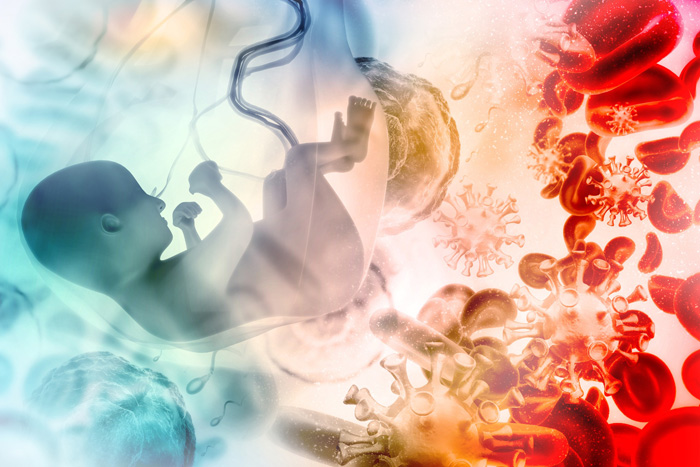
Neonatology Specialization Training Program (For European Resident Physicians Only)
First Year Area: Pediatrics Modules: Diseases of the respiratory system 2 months Acute diarrheal disease 1 month Other frequent pediatric conditions (miscellaneous) 2 months Care for the critically ill child 5 months Module 13. Clinical research Courses: Research methodology Second Year Area: Clinical neonatology Modules: Principle fetal conditions 1 month Care for the neonatal during birth and resuscitation 1 month Care for the healthy newborn 3 months Neonatal intermediate therapy I 2 months Neonatal intensive therapy I 3 months Module 14. Teaching-learning process Courses: Computation Third Year Area: Clinical-surgical neonatology Modules: Neonatal intermediate therapy II 2 months Neonatal intensive therapy II 3 months Neonatal heart and surgical conditions 4 months ANALYTICAL PROGRAM FIRST YEAR AREA: PEDIATRICS Module 1: Diseases of the respiratory system Development of the respiratory system Respiratory regulation Diagnostic methods of respiratory diseases Defense mechanisms and metabolic lung functions Diagnostic techniques in child respiratory conditions Foreign objects in the nose. Bloody nose Infections of the upper airways. Acute rhinopharyngitis, acute pharyngitis, acute uvulitis, pharyngeal and peritonsillar abscess, sinusitis, tonsillitis, adenoiditis, epiglottitis, laryngitis Obstructive sleep apnea in children Tracheitis Foreign bodies in the larynx, trachea and bronchi Acute and chronic bronchitis in childhood Bronchiolitis Pneumonias Atelectasis Emphysema and pulmonary hyperinflation Bronchial asthma Cystic fibrosis Pleural diseases Pneumothorax Pneumomediastinum Neuromuscular disorders that affect lung function Module 2. Acute diarrheal disease Content: Development of the digestive system Acute diarrheal disease in children, definition, etiopathogenic classification Etiology of acute diarrheal disease: virus, bacteria, parasites Mechanisms of action of acute diarrheal disease Supportive and specific treatment in acute diarrheal disease Treatment of alterations in hydro saline balance and acid-base balance associated with acute diarrheal disease Complications of acute diarrheal disease in the pediatric patient Prevention of acute diarrheal disease in childhood Module 3: Other frequent pediatric conditions (miscellaneous) Content: Hypochromic, hemolytic megaloblastic, hypoplastic and aplastic anemias Idiopathic thrombocytopenic purpura, Henoch–Schoenlein purpura, hemophilia Urinary infection, acute nephritic syndrome, nephrotic syndrome, blood in urine Malabsorption syndrome, hepatitis Congenital and acquired hypothyroidism, diabetes mellitus Assessment of the child with neurological disease Febrile seizure, most common epileptic syndromes Febrile syndrome in children Module 4: Care for the critically ill child Contents: Planning, organization, structure and function of a pediatric multipurpose intensive care unit Monitoring and follow-up of the critically ill child Humidity, gases and respiratory physiotherapy in the severe pediatric patient Nutrition or artificial feeding: water, energy function, carbohydrates, proteins, fats, vitamins, trace elements, electrolytes; food and the critical patient Infections in the pediatric multipurpose care unit Risks to the patient in intensive care Characteristics of the microbial map Prevention and treatment Isolation of patients Artificial airway Methods Usefulness Indications Endotracheal intubation Tracheostomy Complications of the artificial airway Artificial respiration Methods Forms Repercussions of mechanical ventilation Modalities, types and techniques of ventilation Indications for mechanical ventilation in children Beginning mechanical ventilation Initial mode of ventilation Complications of mechanical ventilation Classification of ventilators Drowning or incomplete drowning Human reaction during submersion Hydro electrolytic alterations Therapy Systemic inflammatory response syndrome and sepsis Classification and terminology Main protagonists of the inflammatory response to infection Manifestations of the inflammatory response Acute respiratory distress syndrome in children Criteria for multiple organ failure or multiple organ dysfunction syndrome in children Severe head trauma in children Severe polytrauma in children Basic concepts Prognostic index Intensive handling Bioethical aspects of the brain-dead pediatric patient Module 13. Clinical research Contents: Methodological scientific research, methodology, and methods IT elements, biostatistics elements Composition and classification of resources, function of resources Basic techniques for programming activities Forms of control of scientific activities Methods, techniques and procedures of scientific research, methodological foundations of scientific research MINSAP health policy in the field of health research Scientific report writing technique Branch research programs in the health sector SECOND YEAR AREA: CLINICAL NEONATOLOGY Module 5. Main fetal conditions Contents: Fetal growth and development Fetal-maternal exchange: placental circulation and fetal acid-base balance Maternal pathologies and their neonatal consequences The fetus of a mother with addictions Teratogenic agents Prenatal diagnosis of developmental abnormalities and hereditary diseases Fetal growth disorders: intrauterine growth retardation and excessive prenatal growth Evaluation of fetal well-being Multiple pregnancies Threat of preterm labor Prolonged pregnancy Perinatal non-immune hydrops Premature rupture of membranes Nutrition of the pregnant and lactating mother Fetal surgery: advances and problems Module 6. Care of the infant during birth and resuscitation Contents: Clinical aspects of a normal birth Medicines that adversely influence the fetus and the newborn at the time of delivery Influence of the delivery type on the fetus and neonate Effects of caesarean section and instrumentation Physiology of the transition from fetal to neonatal life: fetal and neonatal circulation Physiological aspects of pulmonary circulation Modifications for the fetal-neonatal transition Immediate care of normal and high-risk newborns at the time of delivery Perinatal asphyxia: causes and pathophysiological alterations Physiological bases for neonatal resuscitation Initial steps of neonatal resuscitation Use of resuscitation bag and mask: equipment and ventilation of the newborn External cardiac massage during neonatal resuscitation Endotracheal intubation in the depressed neonate at delivery Drugs to be used in neonatal resuscitation Resuscitation of the newborn in special situations Bioethical aspects of neonatal resuscitation Thermoregulation: physiological bases, fetal thermoregulation, mechanisms that regulate heat loss in the newborn Thermogenesis Neutral thermal environment Temperature regulation and effects of the thermal environment on the newborn Management of the thermal environment Hypothermia and neonatal cold syndrome Basic care during intrahospital transfer of the newborn Module 7. Care of the healthy newborn Contents: Clinical assessment of the gestational age of the newborn Nutritional assessment of the newborn according to intrauterine growth curves Clinical and physiological characteristics of the normal newborn from the first hours of life Neurological assessment of the term newborn Birth injuries: soft tissue, skull, spine and spinal cord injuries, peripheral nerve injuries, adiponecrosis, visceral injuries, fractures General concepts of hereditary conditions Isolated primary defects Multiple malformations Most frequent chromosomal syndromes: trisomy 21, trisomy 18, trisomy 13, Turner syndrome, Klinefelter syndrome Most common malformation sequences Associations Clinical approach to the newborn with ambiguous genitalia Diagnosis of congenital metabolic diseases and the most frequent endocrine disorders at birth Normal hematological values of the newborn Bilirubin metabolism and physiological jaundice Immunological characteristics of the newborn Immunizations of the neonatal period Normal newborn feeding: breastfeeding and artificial Perinatal and childhood statistics: definitions of live and dead newborn Underweight index Perinatal, fetal and neonatal mortality Child mortality Classifications of the causes of perinatal and infant mortality Module 8. Neonatal intermediate therapy I Contents: High-risk newborn Low-weight newborn Definitions Related factors Classification General and physiological characteristics and peculiarities of the preterm and low birthweight newborn for their gestational age Spectrum of diseases of the preterm newborn and low birthweight General and specific care of the preterm and low birthweight newborn Comprehensive care of the very low birthweight non-critically ill newborn Enteral feeding of the very low birthweight infant Classification and care of the newborn born of multiple pregnancies Characteristics and management of the post-term newborn Complications and comprehensive care of the large-for-gestational-age and fetal macrosomia Newborn of a diabetic mother Newborn of a mother with toxemia gravidarum Newborn of a mother with thyroid diseases Normal hematological values of the preterm newborn and low weight for gestational age Metabolic disorders: hypoglycemia, hyperglycemia, hypocalcemia, hypercalcemia, hypomagnesemia, and hypermagnesemia Neonatal jaundice Unconjugated hyperbilirubinemia Conjugated hyperbilirubinemia Module 9. Neonatal intensive therapy I Contents: Organizational, administrative and hygienic-epidemiological control aspects in the neonatal intensive care unit Monitoring in the neonatal intensive care Fluid balance and hydro-electrolyte alterations in the newborn Alterations of the acid-base balance Nutrition of the critically ill neonate Physiological basis for neonatal ventilation Oxygen therapy Ventilation of the newborn: continuous positive pressure ventilation, conventional mechanical ventilation, high frequency conventional mechanical ventilation Types of neonatal ventilators Other ventilatory modalities: synchronized ventilation, volume-controlled ventilation, pressure support ventilation, high frequency ventilation, proportional assisted ventilation and computerized ventilation Medications in respiratory assistance Ventilation in newborns weighing less than 1000 grams Indications and complications of extracorporeal membrane oxygenation Techniques for weaning from neonatal respiratory assistance Complications of the different modalities of neonatal respiratory assistance Positive and etiological diagnosis of neonatal respiratory distress syndrome Essential examinations and supportive treatment of respiratory distress syndrome in the newborn Transient tachypnea of the newborn Hyaline membrane disease Meconium aspiration syndrome Air blockage: pulmonary interstitial emphysema, pneumomediastinum, pneumothorax, pneumopericardium, massive air embolism Recurrent apnea of the preterm newborn Pulmonary hemorrhage Bronchopulmonary dysplasia Antibiotic therapy in the neonatal intensive care Sedation and analgesia in the critically ill newborn Module 14. Teaching-learning process Contents: The medical education system in Cuba Training programs The teaching-learning process: main teaching-patient care activities that comprise the teaching-learning process Educational objectives and their importance in the organization and execution of the teaching-learning process Educational contents Knowledge and skills system Organizational structure of education In-service training in the medical sciences Teaching methods Professional methods as teaching methods in medical science education Problematization Teaching aids, their effectiveness in cognitive activity. The use of proof in medical sciences Importance of medical ethics when teaching with patients Evaluation and control: concepts, functions, objective-assessment relationship Process to identify learning needs Techniques and models for the identification of learning needs THIRD YEAR AREA: SURGICAL-CLINICAL NEONATOLOGY Module 10: Neonatal intermediate therapy II Contents: Anemia due to acute blood loss, accelerated destruction of erythrocytes and inefficient production or defect in the production of red blood cells Indications for transfusion with packed red blood cells Indications for whole blood transfusion Complications of blood transfusions or transfusions with packed red blood cells Polycythemia or erythrocytosis, hyper viscosity Disorders of hemostasis in the newborn: causes and differential diagnosis Investigations to evaluate a neonatal bleeding diathesis Conduct to follow in the event of a neonatal hemorrhagic diathesis Primary hemorrhagic disease of the newborn Alterations of leukocytes and myeloproliferative conditions in the newborn: congenital leukemia and transient myeloproliferative syndrome Minor digestive disorders of the neonatal stage Minor infections of the newborn Urinary tract infection Care for the febrile newborn Prevention and management in the newborn born to an HIV-positive mother Module 11. Neonatal intensive therapy II Contents: Patent ductus arteriosus Neonatal persistent pulmonary hypertension Hypotension and systemic arterial hypertension in the newborn State of shock in the neonate Thrombocytopenia and platelet dysfunction Disseminated intravascular coagulation Severe hemolytic disease of the newborn Perinatal asphyxia Neonatal seizures and convulsive status Neonatal epilepsies Hypoxic ischemic encephalopathy Intracranial hemorrhage Neonatal onset neuromuscular diseases Necrotizing enterocolitis Neonatal hematuria Kidney disease Prenatal infections Early onset perinatal infections Late onset perinatal infections Hospital-acquired infections in neonatal intensive care Neonatal meningoencephalitis Neonatal tetanus Bioethical aspects linked to neonatal intensive care: principles, conflicts and dilemmas in the face of diagnostic and therapeutic options for the main dilemmas of neonatal intensive care Module 12. Neonatal heart and surgical conditions Content: Heart conditions Prevalence and survival of congenital heart disease Clinical elements of suspected congenital heart disease Diagnostic approach to congenital heart disease Fundamental characteristics of the electrocardiogram in the newborn Aortic stenosis, coarctation of the aorta, interruption of the aortic arch, left heart hypoplasia syndrome Pulmonary stenosis, pulmonary atresia, tricuspid atresia, tetralogy of Fallot, Ebstein’s anomaly Transposition of the great vessels Septal defects, atrioventricular canal Myocarditis, transient myocardial ischemia, dilated and hypertrophic cardiomyopathies Heart failure Cardiac arrhythmias of the neonatal period Surgical conditions General preoperative care Immediate postoperative care Mediate postoperative care Sedation, anesthesia and analgesia in the surgical neonate Special enteral feeding in the surgical neonate Total parenteral nutrition Interhospital transfer of the surgical or pathological newborn Congenital diaphragmatic hernia Diaphragmatic paralysis and eventration Esophageal atresia, tracheoesophageal fistula Gastroesophageal reflux Congenital hypertrophic pyloric stenosis Omphalocele and gastroschisis, inguinal hernias Gastric ulcer, gastric and intestinal perforation Bowel obstruction Intestinal malrotation Intestinal duplication Digestive stenosis, annular pancreas, intraluminal diaphragm Congenital bridles Intestinal atresia Meconium plug syndrome, meconium ileus Hirschsprung syndrome Imperforate anus Peritonitis Abdominal masses: kidney, tumors, adrenal hemorrhage, ovarian cyst or tumor, pancreatic cyst, choledochal cyst, mesenteric cyst, intestinal duplication Upper airway abnormalities: choanal atresia, laryngomalacia, tracheomalacia, congenital laryngeal stridor First branchial arch syndrome, mandibular facial dysostosis, Pierre Robin syndrome, cleft lip, cleft palate, macroglossia Bronchopulmonary malformations Congenital lobar emphysema Rupture of solid viscera: liver, spleen, adrenal Kidney and urinary tract malformations Hydrometrical Hydrocele, testicular torsion, testicular hematoma Hypospadias and epispadias Bladder exstrophy Congenital anomalies of the omphalomesenteric duct and urachus Myelomeningocele, hydrocephalus, encephalocele Most frequent associations: Vater, Charge, DiGeorge and others Tumors: neuroblastoma, Wilms’ tumor, teratomas, botryoid sarcoma Other tumors: hemangiomas, lymphangiomas, hepatoblastomas, hepatomas, hamartomas, nephroma Neck tumors, goiter, cystic hygroma Cataract and tumors of the eye and orbit Mediastinal tumors Cellulite, mastitis, omphalitis Arthritis and osteomyelitis Late onset neonatal infections Neonatal community-acquired infections Module 15. The Administration in the national health system Contents: Historical background of management theories and techniques Current trends and their impact on the management of hospitals Management methods and styles Management functions, strategic and participatory management by objectives Planning, structure of a plan, the emerging work within the plan Hospital organization, change and development, hospital processes, services and their management, techniques to establish priorities The health situation, characteristics and value of the most used indicators of health status Components of the human resources management system Particularities of health human resources Work, leadership, creativity, and communication teams Human resources, recruitment, selection, and employment strategy Human resources training and development Control, supervision, importance in hospital care, ways to carry out control, supervision guidelines, ethical aspects of supervision and control Quality improvement, documentation and audit programs. Economy and quality.
How AI sees this product
The more complete this product's details, the more confidently AI assistants can understand and recommend it.